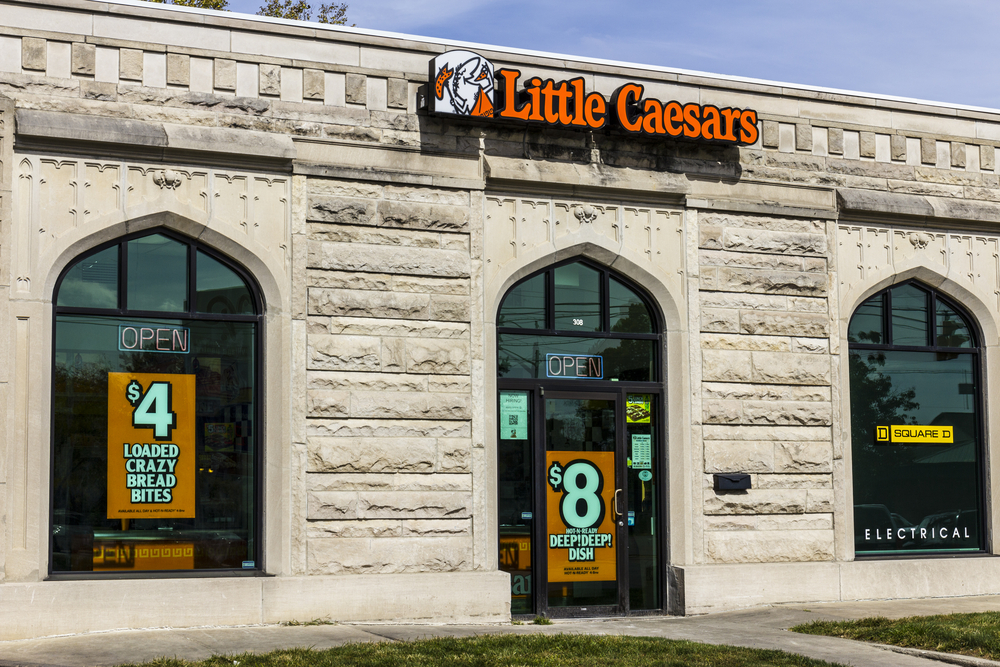
The pizza industry has long been one of the most competitive and recognizable segments in franchising. Among the major players, Little Caesars stands out for its value-driven positioning, streamlined operations, and global brand recognition. For entrepreneurs in Dallas, TX who are exploring food franchising opportunities, understanding the Little Caesars franchise cost is a critical first step toward determining whether this iconic pizza brand is the right investment.
Dallas–Fort Worth is a fast-growing metro area with strong demand for convenient, affordable dining options. As population growth continues and suburban expansion accelerates, value-oriented quick-service restaurants like Little Caesars remain highly relevant. This article provides an in-depth look at Little Caesars franchising, including costs, requirements, operational expectations, and market considerations specific to Dallas investors.
Why Little Caesars Remains a Popular Franchise Choice
Little Caesars has built its brand around simplicity, speed, and affordability. Its well-known “Hot-N-Ready” model allows customers to walk in and leave with a pizza in minutes, reducing wait times and operational complexity. This approach has helped the brand thrive in both urban and suburban markets.
From a franchise perspective, Little Caesars benefits from strong name recognition and a loyal customer base. Consumers already understand the value proposition, which can significantly reduce the marketing lift required when opening a new location. For first-time franchise owners in Dallas, this brand familiarity can provide a meaningful advantage.
Additionally, the pizza category benefits from broad demographic appeal. Families, students, and working professionals all represent core customer segments. In a diverse market like Dallas, this wide appeal helps drive consistent traffic across different neighborhoods.
Understanding Little Caesars Franchise Cost and Investment Requirements
One of the most important questions prospective franchisees ask is how much it actually costs to open a Little Caesars location. Like most food franchises, the total investment goes well beyond the initial franchise fee.
Typical investment components include:
- Initial franchise fee
- Lease or real estate costs
- Buildout and construction
- Kitchen equipment and signage
- Initial inventory and supplies
- Training and staffing expenses
- Working capital
In addition to startup costs, franchisees must meet minimum net worth and liquidity requirements. These financial standards are designed to ensure owners have sufficient resources to support the business through its early stages and ongoing operations.
For a comprehensive breakdown of costs, fees, and financial expectations, this detailed guide on little caesars franchise cost explains what investors should evaluate before moving forward.
It’s also important to account for ongoing expenses such as royalties and marketing contributions. These fees support national advertising campaigns, operational support, and continued brand development.
Operational Model and Franchisee Responsibilities
Little Caesars is known for its operational efficiency, but that doesn’t mean ownership is hands-off. Franchisees are responsible for managing day-to-day operations, ensuring quality control, and maintaining brand standards.
This includes hiring and training staff, managing inventory, and overseeing customer service. In Dallas, where competition for hourly labor can be strong, effective staffing strategies are essential for maintaining consistent operations.
The franchisor provides training programs and operational guidelines to help franchisees succeed. These systems are particularly valuable for owners who may not have prior restaurant experience but are willing to follow established processes.
Technology also plays a growing role in Little Caesars operations. Online ordering, delivery partnerships, and point-of-sale systems are increasingly important for meeting customer expectations and improving efficiency.
Dallas Market Considerations for Little Caesars Franchise Owners
Dallas–Fort Worth presents a unique mix of opportunity and competition for pizza franchise owners. High population density in certain areas supports strong sales volume, while suburban expansion creates opportunities for new locations in growing communities.
Site selection is one of the most important factors influencing success. Visibility, traffic patterns, proximity to residential areas, and competition all play a role. A well-located store can significantly outperform one in a less optimal location, even within the same metro area.
Dallas also has a diverse consumer base with varying income levels. Little Caesars’ value pricing model aligns well with budget-conscious customers, families, and students, making it particularly attractive in many neighborhoods.
However, competition from other national pizza chains and local concepts is intense. Successful franchisees focus on execution, consistency, and local marketing efforts to stand out.
Legal and Regulatory Considerations
Before investing in any franchise, it’s essential to understand the legal framework governing franchising in the United States. Franchisors are required to provide a Franchise Disclosure Document (FDD) that outlines fees, obligations, risks, and historical information.
The Federal Trade Commission’s Franchise Rule explains what information franchisors must disclose and what prospective franchisees should review carefully before signing an agreement.
Financing is another key consideration. Many franchise buyers explore SBA-backed loans to help fund their investment. The U.S. Small Business Administration offers resources on franchise financing, loan eligibility, and business planning.
Common Mistakes Investors Make When Evaluating Food Franchises
While Little Caesars offers a proven model, investors can still make costly mistakes if they skip proper due diligence. Common errors include underestimating total investment costs, failing to account for working capital needs, and assuming brand strength alone guarantees success.
Another frequent mistake is not validating the opportunity with existing franchisees. Speaking directly with current owners can provide real-world insight into operations, profitability, and challenges.
Investors should also consider their lifestyle preferences. Food franchises often require evenings, weekends, and holidays, especially during the early stages of ownership.
Is a Little Caesars Franchise Right for You?
A Little Caesars franchise can be a strong opportunity for the right investor. Those who value structured systems, operational efficiency, and brand recognition often find the model appealing.
However, it’s not the best fit for everyone. Investors seeking semi-absentee ownership or lower involvement may prefer service-based franchises with different operational demands.
This is where working with a franchising consulting firm can be especially helpful. Consultants help Dallas entrepreneurs evaluate multiple franchise options, compare investment levels, and align opportunities with personal goals.
Final Thoughts for Dallas Franchise Investors
Understanding Little Caesars franchise cost is about more than just numbers—it’s about evaluating the full picture. Brand strength, operational requirements, market conditions, and personal objectives all play a role in long-term success.
For Dallas, TX entrepreneurs, the combination of population growth and demand for affordable dining makes Little Caesars a compelling option worth serious consideration. With proper research, realistic expectations, and professional guidance, investing in this iconic pizza franchise can be a strategic step toward business ownership.
As with any major investment, taking the time to conduct thorough due diligence today can help set the foundation for sustainable growth and profitability in the years ahead.